What would change if our board meetings became places where people felt genuinely heard, where curiosity replaced assumptions, and where relationships mattered as much as decisions? That question was at the heart of the first session of The Humble Board, RCC's six-part Community Call series with Lon Swartzentruber, which began November 3.
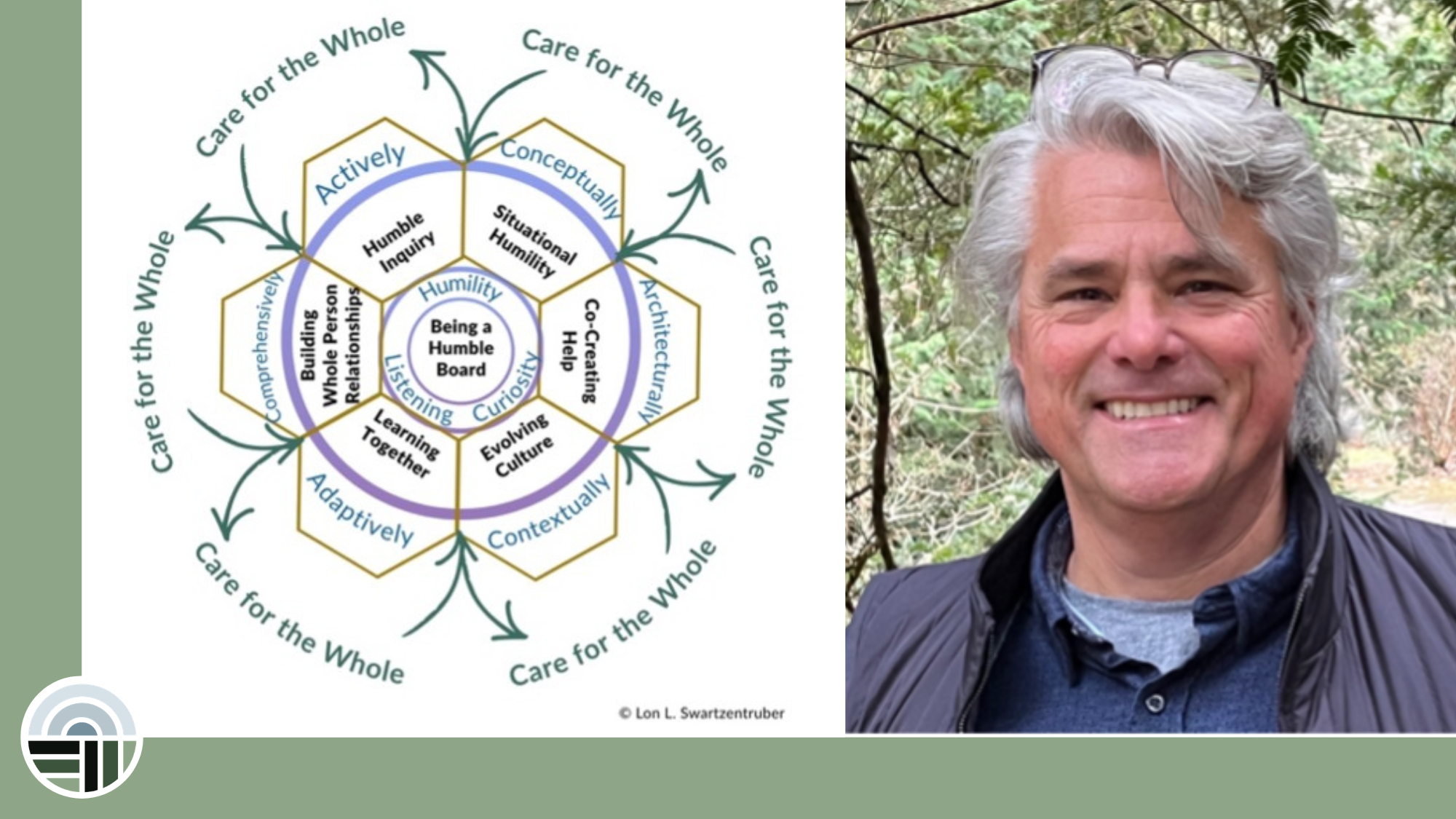
With nearly 30 years of experience working with boards and leadership teams, Lon brings a simple but powerful approach to governance: building open, trusting, and resilient relationships while taking collective responsibility to care for the whole.
At the centre of his framework are three essential skills: humility, listening, and curiosity. This first conversation explored two closely connected practices: situational humility and conceptual listening.
Recognizing What We Don't Know
Situational humility begins with recognizing that we rarely have the full picture. In meetings, it's easy to make assumptions based on past experiences. Someone raises a concern, and we immediately remember the last time they were difficult. A board member questions a proposal, and we assume we know their motivation.
Lon invited participants to slow down and consider three things:
Recognize uncertainty. There may be more happening beneath the surface than we realize.
Remain open to others. The collective wisdom of a group is often greater than that of any individual leader.
Notice our biases. Our experiences, emotions, and assumptions influence how we interpret what others say.
Participants acknowledged how difficult this can be, particularly when past conflicts shape present relationships. One insight stood out: When we remain rooted in the past, we can miss what is possible in the present. Situational humility asks us to leave room for people, including ourselves, to grow and change.
Listening Beneath the Surface
Lon introduced conceptual listening as a way of hearing not only what someone says, but what might be underneath their words. Often, the issue someone raises isn't the whole story.
A disagreement about a building project might actually be about trust. A question about finances might reflect anxiety about the organization's future. Resistance to change might be rooted in a past experience of not being heard.
Lon described three levels of listening:
Listening to: Hearing what someone says.
Listening for: Exploring what they may be trying to express.
Listening with: Discovering together what is really happening.
During a role-play, a participant described a disagreement about replacing a retreat center's aging sign. What initially appeared to be a straightforward difference of opinion revealed deeper tensions between a board and a committee, shaped by years of history.
Rather than offering solutions, Lon asked simple questions, including, "Say a little more about that." Those questions opened space for a deeper understanding of the relationships involved. Sometimes the most helpful thing a leader can do is resist the urge to solve a problem and become more curious about it.
Making Time for Relationships
One of the strongest themes of the conversation was the tension between getting things done and building relationships. Board agendas are full. Decisions need to be made. Leaders feel pressure to keep meetings moving.
Lon offered the image of a seesaw, with time on one side and relationships on the other. When someone raises a concern that matters deeply to them, do we move on because it isn't on the agenda? Or do we make space to understand what's happening?
Participants reflected on the barriers to deeper listening: impatience, emotional exhaustion, anxiety, and the need to be right. They also explored practical ways to respond differently, including pausing when conversations become heated, beginning meetings with prayer or reflection, and acknowledging when our own assumptions are getting in the way.
One participant described the importance of letting go of the label "difficult person." Once we decide someone is difficult, we often stop offering them the same curiosity and openness we extend to others.
Putting Down Our Armour
The conversation also acknowledged the power dynamics present in boardrooms and leadership teams. Sometimes people remain silent because they fear saying the wrong thing, challenging authority, or creating conflict.
Lon encouraged participants to approach difficult conversations with vulnerability rather than certainty. A simple opening such as, "I'm probably going to get this wrong, but here's what I'm trying to say," can create space for honesty and connection.
As one participant described it, this is like putting down our armour. Humility doesn't mean avoiding difficult conversations. It means creating the conditions where those conversations can happen with greater care, openness, and trust.
A Month to Practise
One of the gifts of this six-part series is the opportunity to put these ideas into practice between sessions.
Before your next board or leadership meeting, consider trying a few simple things:
Notice when you're making assumptions about someone's intentions.
Ask a curious question before offering your opinion.
Listen for the concerns beneath the words.
Make room for relationships, even when the agenda is full.
Remember that you don't need to have all the answers.
Humble governance isn't about being less effective. It's about recognizing that how we work together matters just as much as what we accomplish together. And perhaps that's where healthier, more resilient organizations begin.
Watch the full conversation: Community Call: Lunch with Lon: Humble Inquiry – Asking Better Questions
