
Two Summers Later: Who Holds the People Who Hold the Retreat Centre?
This piece reflects on the paradox of retreat centre leadership: creating spaces of rest for others while rarely experiencing that rest yourself. Two years removed from the role, the author sees more clearly the invisible labor behind the calm — the phone always on, the vacations interrupted by email, the difficulty separating hospitality's genuine demands from a normalized culture of exhaustion. The piece closes with a challenge to the field: if retreat centres exist to offer renewal, that mission has to extend to the staff who make it possible, not just the guests who receive it. Sustainability, the author argues, means sustainable people, not just sustainable buildings and budgets.

Beyond Robert's Rules: Building Humble Boards That Transform Governance
The Humble Board framework reimagines organizational governance by prioritizing relationships and human skills—humility, listening, and curiosity—over procedural rules. Rather than replacing structures like Robert's Rules, it provides the relational foundation that allows any governance system to function effectively, while extending care beyond the board to the whole organization and community.

Uncovering the Hidden Gem: How Purpose-Driven Branding Can Transform Retreat Centers
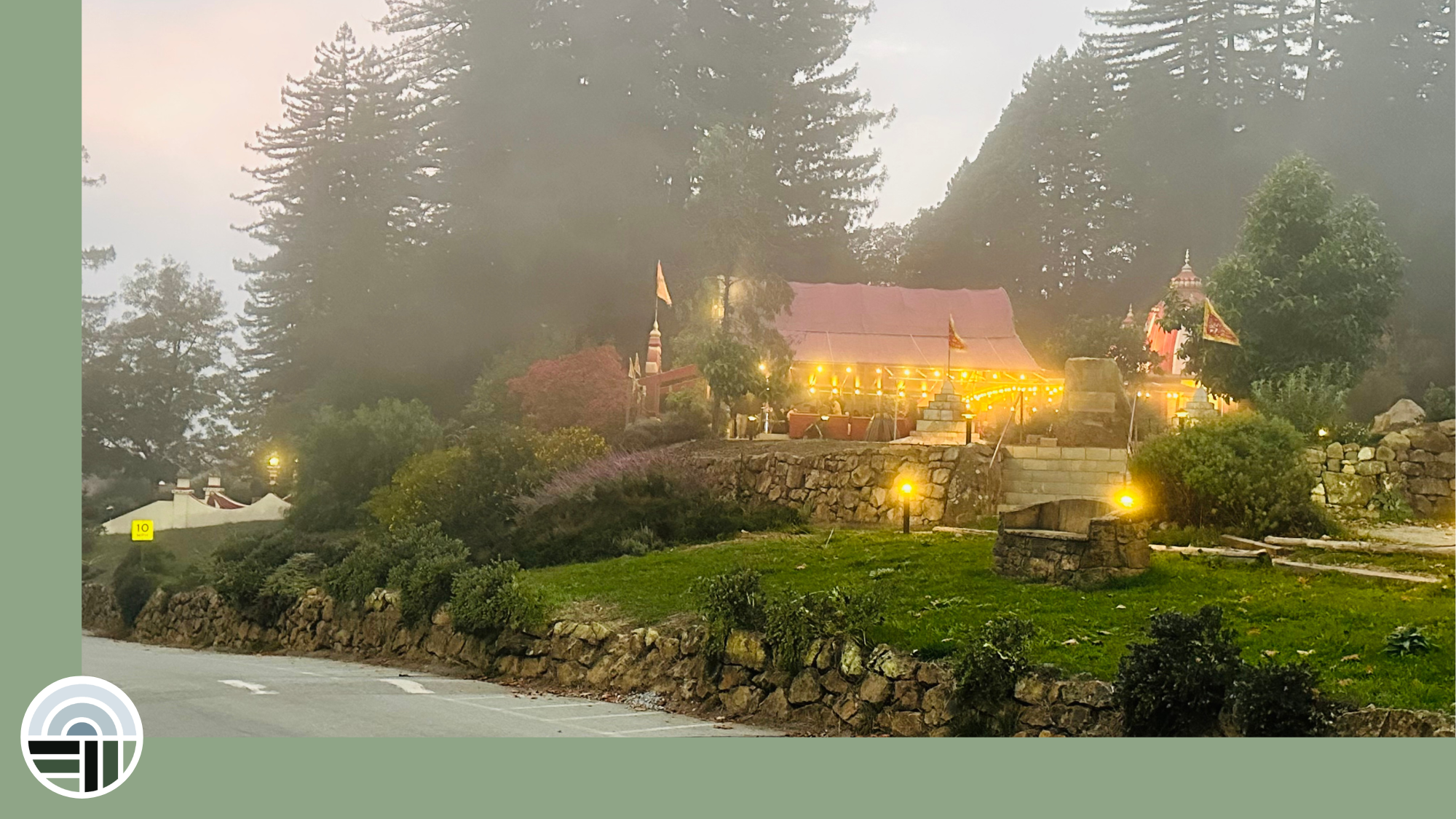
A recent community call brought retreat leaders together to explore one of the quietest tensions in mission-driven work: how to grow visibility without losing soul. At the center of the conversation was the story of Mount Madonna Center, a multi-generational yoga community in California whose recent rebrand offered a powerful case study in evolving with integrity.
For decades, Mount Madonna grew through word of mouth, rooted in a tradition that intentionally avoided self-promotion. But as a new generation of leadership stepped in, they recognized that much of the Center's depth and beauty remained hidden from the wider world. Rather than impose a top-down rebrand, they engaged founders, elders, staff, and newer voices in a months-long process of listening, reflection, and co-creation. Marketing was reframed not as a corporate exercise, but as a way of showing up — communicating meaning and inviting others into what the community cares about.
The result was a renewed identity grounded in transformation, stewardship, and lifelong learning, expressed through a logo drawn from Vedic geometry, a cohesive new website, and language that speaks to both longtime members and newcomers. Within the first month, the site saw a 65% increase in users and far deeper engagement — but the deeper win was a brand that finally reflected the Center's essence.
The conversation closed with a reminder that resonates far beyond Mount Madonna: branding is foundational, inclusion is essential, and technology, when aligned with mission, becomes an amplifier rather than a distraction. Sometimes the most powerful transformation isn't about creating something new — it's about finally allowing what's already there to be seen.

The Only Way Through a Difficult Conversation Is to Have It
Difficult conversations aren’t problems to avoid—they’re opportunities to strengthen relationships, and the only way to navigate them is to face them directly with clarity, intention, and courage.
Governing Well: Key Lessons from Our Board & Staff Relationships Roundtable
This community roundtable explored the essential role of healthy governance in retreat center leadership, highlighting how boards and staff can collaborate effectively. Featuring insights from Usha Kilpatrick of Mount Madonna Center, the discussion emphasized a clear governance framework—foresight, oversight, and insight—while acknowledging the real-world challenges of transitioning from operational to strategic boards. Participants also reflected on the importance of trust, strong relationships (especially between board chairs and executive directors), and shared values in navigating common nonprofit governance challenges.

What the Data Is Telling Us: Retreat Industry Trends from Retreat Guru
What does real retreat industry data actually look like? Not surveys or guesswork — nearly 400,000 actual bookings across 896 centers, spanning three years and two continents.
Retreat Guru's Cameron Vayos recently pulled back the curtain, and the insights are worth sitting with. Did you know 22% of all retreat bookings happen in the final week? Or that median retreat prices have barely moved since 2022, even as costs keep climbing? Or that private room pricing at most centers may be leaving serious money on the table?
From booking patterns and cancellation rates to who's actually showing up (and for how long), this data offers something rare: real benchmarks for an industry that has long run on intuition.
If you lead or operate a retreat center, this one's worth a read.
Starting a Retreat Center: Risks, Realities, and Joys Along the Way
What does it really take to turn a dream of sacred space into reality? In a candid RCC Community Roundtable, three retreat center founders share the honest truth behind building places of rest and healing — from the unexpected challenges of land, finances, and burnout, to the profound joy of watching someone arrive and finally exhale. More than a how-to guide, this conversation is a deeply human exploration of trust, stewardship, and why the way you build matters just as much as what you build. If you're holding this dream — or simply curious about what drives people to do this work — this one's worth your time.
Retreat in a Time Like This: Holding the Thread, Holding Each Other
What does it mean to lead a retreat center when the world feels increasingly frayed?
A group of retreat center leaders recently gathered to sit with that question together — not with answers, but with honesty and care. They talked about grief, about the quiet power of small work, about the thread that holds us when everything else feels uncertain.
If you're holding space for others right now, we think you'll find something here for yourself too.

Recruitment as a Mirror: Hiring with Clarity and Care
At a recent Tea with Tatyana, RCC members gathered for a thoughtful conversation on one of the most persistent challenges facing retreat centers: recruiting and hiring well in seasonal, mission-driven environments. Guided by Tatyana Sanikovich, the discussion explored how clarity in role design, thoughtful interview practices, transparent compensation, and intentional onboarding can strengthen teams and reduce hiring compromises. The conversation highlighted that recruitment is more than a task—it is a leadership practice that shapes the culture and sustainability of retreat communities.
Reimagining Connection: How RCC Is Listening for What’s Needed Now
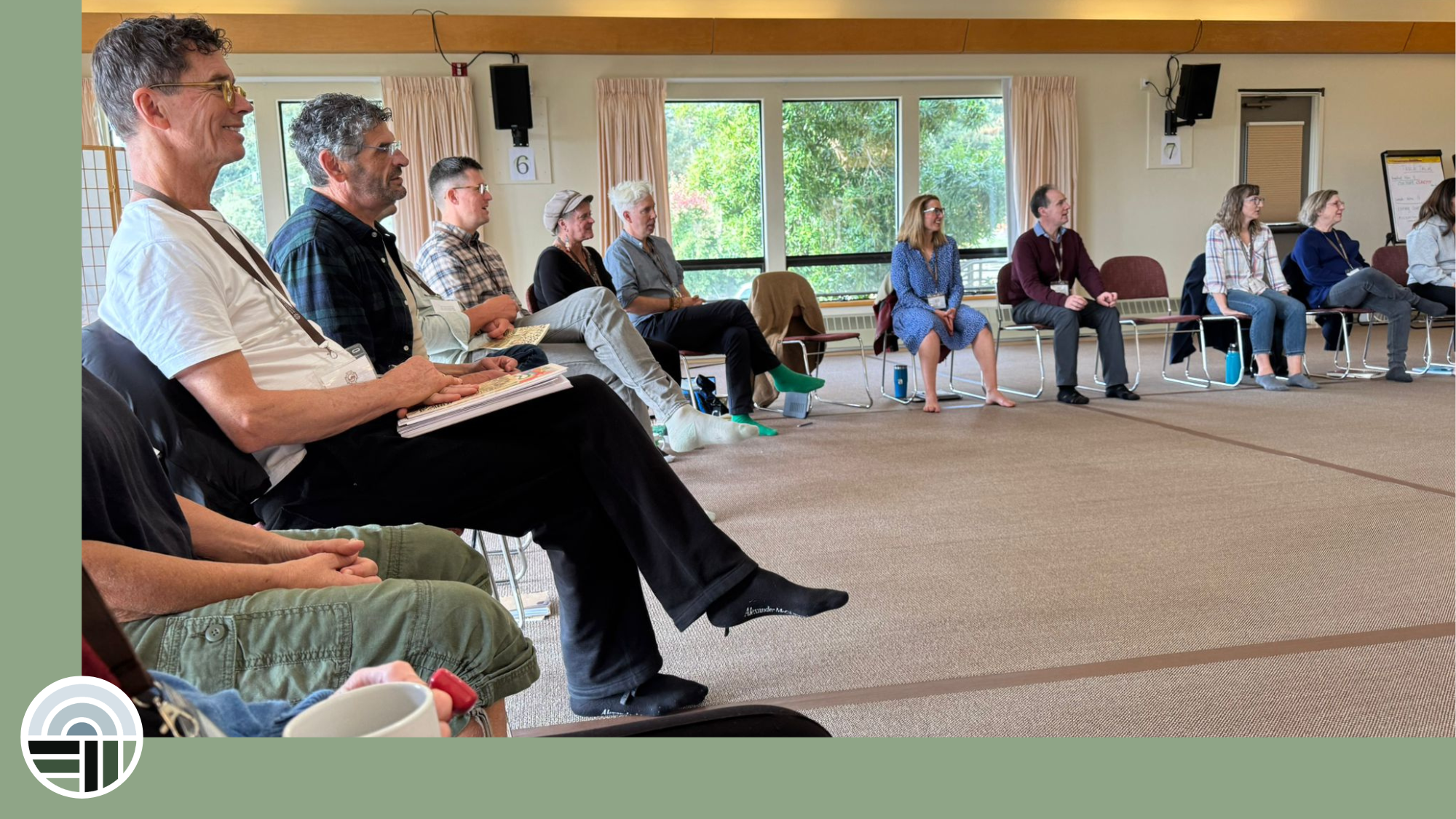
Watch the recording to explore the future of Regional and Peer Support Groups. Members reflect on role-based circles, leadership season cohorts, program collaboration, and crisis-ready regional networks. Discover how RCC is piloting affinity groups to foster trust, reduce isolation, and strengthen retreat center leadership.

Hospitality That Builds Belonging: KPIs + Simple Training Practices
Watch this practical hospitality deep dive with Michael (RCC Network Manager) and Eve Wachhaus of Adamah (Pearlstone & Isabella Freedman). Explore retreat center KPIs like RevPAB, occupancy, and conversion rates, using NPS for guest feedback, and training tools like the 10–5 Rule and HEART Method to measure success and create genuine belonging.

HR for Non-HR Leaders: Why Clarity Is the Kindest Leadership Skill
Leading people without formal HR training is a reality many mission-driven leaders quietly navigate. In a recent Tea with Tatyana session, HR consultant Tatyana Sanikovich explored how everyday leadership moments—offering feedback, setting expectations, handling conflict, and making pay decisions—are already acts of HR. A central theme was the distinction between kindness and clarity: while leaders often soften messages to preserve relationships, unclear communication can create confusion, inequity, and burnout. The conversation reframed structure, boundaries, and even clean endings as forms of care, reminding leaders that clarity isn’t harsh—it’s one of the most compassionate and steady skills they can bring to their teams.

Sacred Self-Care: Being Resourced Enough to Stay Switched On
Sacred Self-Care: Being Resourced Enough to Stay Switched On is a reminder that care isn’t about escaping the world—it’s about preparing to meet it with clarity and compassion. In the Community Call, Robert reframed self-care as a collective practice that helps us stay steady in uncertain times, introducing NEST (Number, Emotions, Sensations, Thoughts) as a simple way to name our inner state and reduce reactivity. From there comes the deeper question: what does the body actually need, and what small version of that is available now? Care, he emphasized, can come not only from people but also from the more-than-human world and inner practices that restore courage. Sacred self-care, then, is leadership—love with stamina—so we can keep showing up without burning out.

Retreat Centers were built for these times
Set against the eerie normalcy of daily life, this essay names the violence, repression, and historical patterns many would rather look away from—and insists that none of this is new. It traces today’s moment through past and present systems of control, exposing how withdrawal, comfort, and isolation are the quiet tools of authoritarianism. Against that pull to disappear, it lifts up the radical power of presence: bodies together, grief held in community, and places that help people remember who they are so they can return to the world more connected, courageous, and alive.

Cross-Generational Conversations in Retreat Work: Wisdom Streams, Not Problems
Generations in Conversation – Wisdom, Values & the Future of Retreat is an online roundtable inviting RCC members into an open, reflective dialogue across generations. Together, participants will explore how generational experiences shape values, leadership styles, and communication—and how retreat centres and spiritual communities can bridge misunderstandings while honoring tradition. Through candid conversation, the session highlights the unique wisdom each generation brings and offers practical insights for fostering collaboration, intergenerational vitality, and a shared vision for the future.
From Doer to Leader: Why Delegation Isn’t a Skill—It’s an Identity Shift
A leadership session by HR and executive coach Tatyana Sanikovich that reframes delegation as an identity shift—from being the indispensable doer to becoming a leader who builds trust, capacity, and sustainable systems for growth.
The Art of Asking: Tactical Fundraising for Retreat Centers
This blog shares a grounded, experience-based approach to fundraising for retreat centers, emphasizing relationships over trends and action over perfection. Drawing on 25 years of practice, it shows that the most meaningful support comes from people who have already experienced the work, and that effective fundraising is less about systems and more about making authentic, timely asks rooted in gratitude and community.

Rethinking “Mission or Margin”: A Bright-Spot Strategy for Retreat Centers
The blog explores how retreat centers can align mission and financial sustainability by using a “bright spot” strategy. Program Director Ling Lo encourages centers to shift from focusing on problems to studying their most successful programs and replicating what works—often presenters with strong expertise, niche audiences, and active co-promotion. She offers practical financial guidance, including evaluating program profitability based solely on tuition and aiming for 25–45% profit margins. Participants shared their own bright spots, highlighting offerings rooted in land connection, community-building, and authentic relationships. Ling’s core message: effective programming and smart financial strategy can strengthen both mission and margin.

The Power of Intentional Onboarding in Retreat Centers
The blog highlights how intentional onboarding significantly improves retention, productivity, and culture within nonprofit retreat centers. HR expert Tatyana Sanikovich, drawing on years of experience at Esalen Institute, explains that the way new staff are welcomed directly affects their sense of belonging. She notes that strong onboarding can boost retention by 82% and productivity by 70%, while poor onboarding is costly.
Tatyana recommends a 30-60-90 day onboarding framework with consistent check-ins to support alignment and connection. Webinar participants emphasized how simple gestures—like welcome notes or land tours—make a meaningful difference. Many retreat center leaders lack formal HR training, so Tatyana’s core message is to start small and be intentional, treating onboarding as a key culture-building practice.
Finding Our Formation
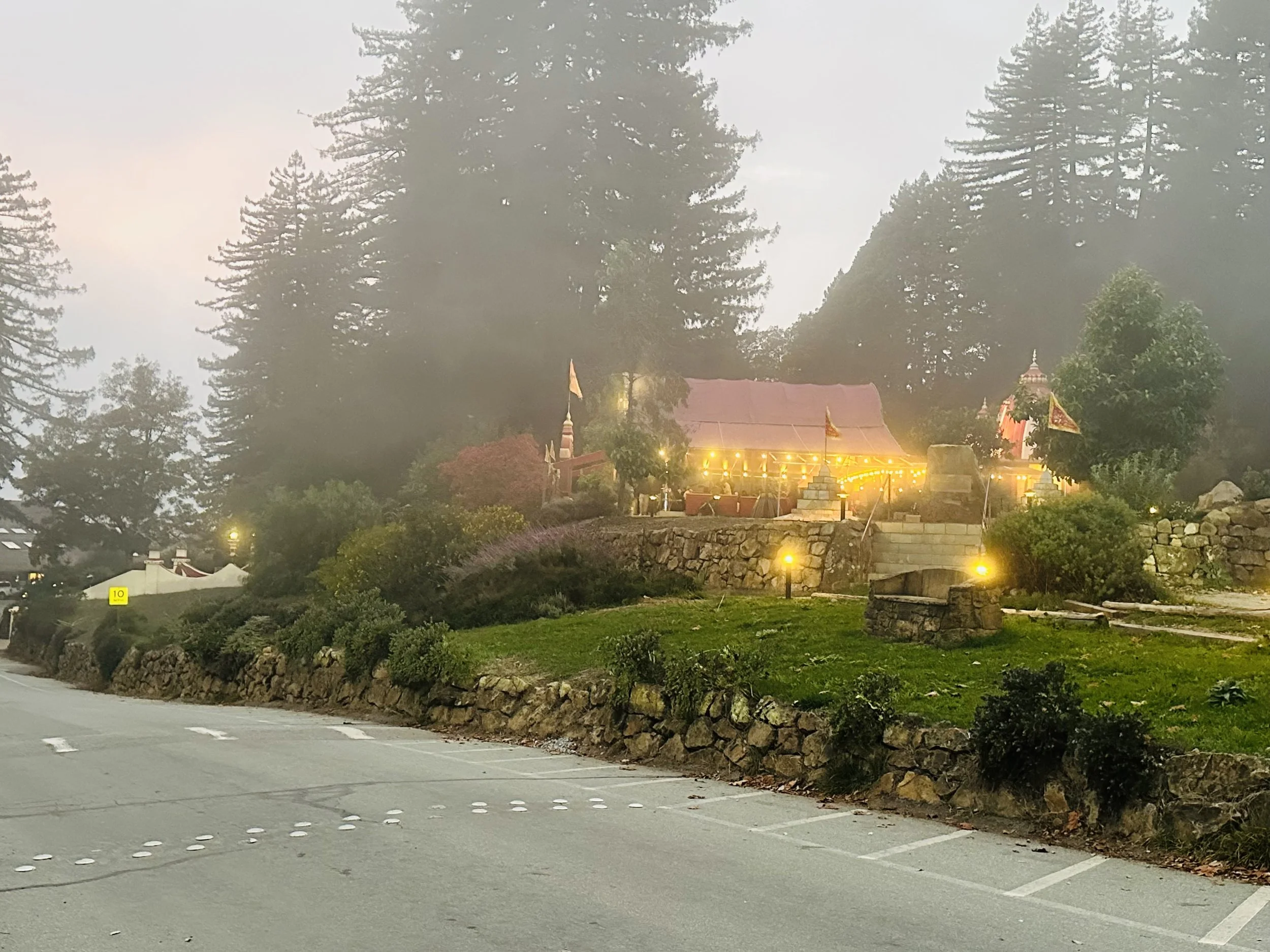
The author describes arriving at Mount Madonna Center, a place where the land and community create a deeply intentional atmosphere rooted in yoga tradition. There, thirty retreat center leaders gathered for the Retreat Center Collaboration’s annual meeting. Through shared conversations about challenges, leadership, mission, and sustainability—and through shared practices like sitting in the temple—they recognized a unifying truth: retreat centers across traditions face the same essential questions and are part of a larger, interconnected network. The gathering reinforced that collaboration, not competition, strengthens their collective work. The author leaves with a renewed sense of belonging and an invitation for others in the retreat center world to connect, knowing they’re not alone in this sacred work.