Governing Well: Key Lessons from Our Board & Staff Relationships Roundtable
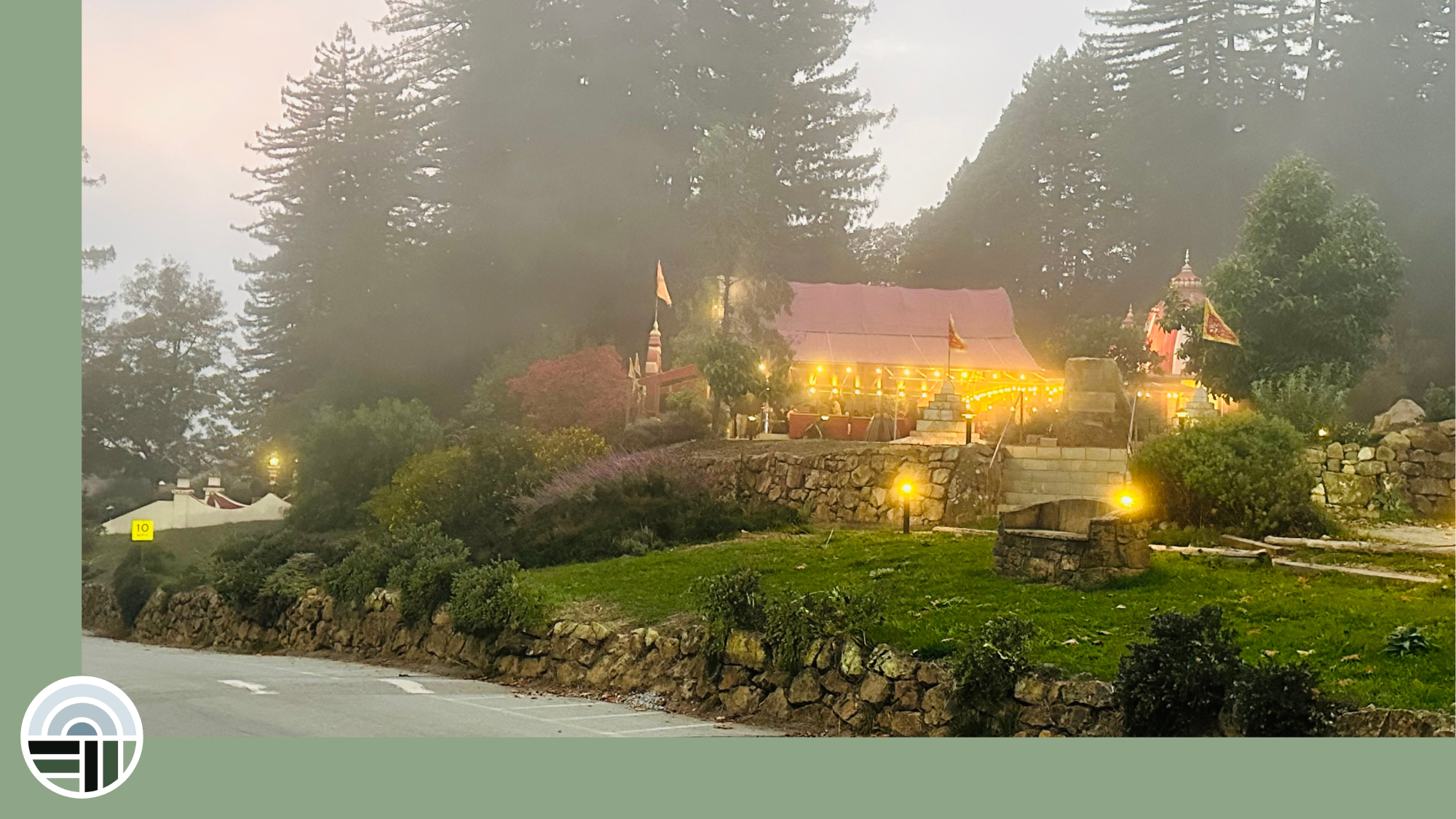
Did you miss our community roundtable? Watch here.
Healthy governance might not be the most glamorous topic in retreat center leadership — but as we heard clearly in our recent community roundtable, it just might be one of the most foundational. Spanning twelve time zones, with participants joining from Hawaii to Spain to a coffee shop in Milwaukee, our latest RCC gathering brought together leaders from across Turtle Island and beyond to explore one of nonprofit life's most enduring questions: how do boards and staff lead well together?
Our featured guest was Usha Kilpatrick, board chair of the Hanuman Fellowship and a lifelong member of the Mount Madonna community in California. With a background as an attorney and decades of board service across charter schools, foundations, and community organizations, Usha offered both a practical framework for governance and a candid look at what's working — and what's still being worked on — at Mount Madonna Center.
A Simple Framework Worth Keeping
One of the most resonant ideas of the call was Usha's three-word summary of what a board actually does: foresight, oversight, and insight. In her words, a board's job is to steer, not to implement — to ensure the organization is moving toward a sustainable future in alignment with its mission, vision, and values, while making sure adequate resources are in place to get there.
This sounds clean in theory, but Usha was honest that the line between governing and doing gets blurry in practice — especially for retreat centers that have historically relied on hands-on, operationally involved boards. "One of our challenges has been that we have a history of a very operational, hands-on board," she shared. "So we've really needed to find that transition into governance."
Alongside the governing role, she emphasized an equally important support role: boards exist to support administration in the planning and execution of operations — not to run those operations themselves.
The Relationship at the Center
Perhaps the most quietly powerful part of Usha's presentation was her emphasis on the interpersonal dimension of governance. She spoke about the relationship between the board chair and executive director as a cornerstone of organizational health — one that requires regular honest communication, clear role clarity, and trust built before a crisis arrives.
At Mount Madonna, Usha and Chief Marketing & Communications Officer Lara are literally sisters, and their Executive Director grew up alongside them in the community. That foundation of deep personal trust has been a gift — but it's also raised a meaningful question: how do you encode that trust into the DNA of an organization so it outlasts any particular set of individuals?
"When we pass on these roles," Usha said, "we want that trust to already be a part of who we are and how we are together."
What We Heard from the Groups
After breakout conversations, participants surfaced themes that will feel familiar to many in our community:
What's working:
Boards that are genuinely connected to and committed to the mission
Shared values and spiritual intention as a container for difficult conversations
Strategic plans that help clarify where governance ends and implementation begins
Onboarding all new board members at one time of year (rather than on a rolling basis) to improve consistency and cohesion
Common challenges:
The cultural shift from a working board to a governance board — a transition that takes real time and intention
Board recruitment: finding people with bandwidth, fundraising capacity, and a 30,000-foot perspective
Managing transitions — whether generational, founder-to-successor, or board member burnout following the pandemic
Role clarity issues that sometimes turn out, on closer inspection, to be trust issues in disguise
For smaller centers: filling skill gaps (HR, legal, fundraising) without the staff to cover them in-house
One observation that generated particular resonance: sometimes what presents as a role clarity problem is actually a trust problem requiring relationship repair before structural solutions will stick.
